
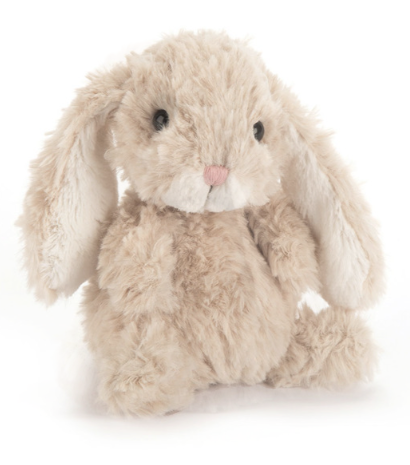
Plush toys are loved by children, collectors, and gift buyers because of their cute appearance, soft texture, and comforting feel. Whether it is a plush doll, stuffed animal, mascot toy, or custom plush toy, proper care is important if you want it to stay clean, fluffy, and attractive for a long time.
Many people know how to wash plush toys, but fabric care is just as important. Plush fabric can lose its softness, shine, and shape if it is handled or dried incorrectly. In this article, we will explain how to protect plush toy fabric from damage and how to keep your plush toys soft and beautiful.
Why Plush Toy Fabric Needs Special Care
High-quality plush fabric is soft, smooth, and comfortable to touch. This is one of the main reasons why plush toys are so popular. Plush dolls and custom plush toys made with premium fabric feel warm when hugged and are especially suitable for children’s toys, promotional gifts, brand mascots, and decorative items.
However, plush fabric can also be delicate. After long-term use, frequent squeezing, rubbing, and washing may cause the fabric to lose elasticity. Once the fabric loses its natural bounce, the plush toy may become deformed and may not easily return to its original shape.
Plush fabric is also highly absorbent. If a plush toy is not dried properly after washing, moisture may remain inside the fabric or filling. This can lead to unpleasant odors, pilling, or fabric damage. In addition, drying plush toys under strong direct sunlight may cause fading and reduce the natural softness and shine of the material.
Common Problems Caused by Improper Plush Toy Care
If plush toys are not cared for correctly, several problems may appear over time:
The plush surface may become flat or rough.
The toy may lose its original shape after washing.
The fabric may pill because of friction or moisture.
The color may fade after long exposure to sunlight.
The toy may become less soft and less comfortable to hold.
These issues are especially important for custom plush toys because their appearance often represents a brand, character, or special design. Proper fabric care helps maintain both the look and value of the plush product.
How to Protect Plush Toy Fabric During Daily Use
To keep plush toys in good condition, avoid pulling, twisting, or squeezing them too hard during play. Although plush toys are made to be touched and hugged, excessive pressure can damage the fabric fibers and affect the toy’s shape.
If the plush surface becomes messy or flattened, gently comb the fur in the direction of the fabric pile. Use a soft brush or a clean comb, and avoid brushing too aggressively. Gentle grooming helps restore the fluffy appearance and keeps the plush toy looking neat.
For decorative plush toys or collectible plush dolls, it is best to place them in a clean, dry area away from dust, moisture, and direct sunlight.
How to Wash Plush Toys Without Damaging the Fabric
When washing plush toys, do not rub the fabric too hard. Strong friction may damage the plush fibers and cause the surface to become rough or pilled. If hand washing is needed, use mild detergent and gently clean the surface with your hands.
After washing, do not wring the plush toy. Twisting can damage both the fabric and the internal filling. Instead, gently press the toy by hand to remove excess water. You can also place it between clean towels and press lightly to absorb moisture.
For plush toys with delicate details, embroidery, accessories, or special shapes, dry cleaning is often a better choice. Dry cleaning can help maintain the elasticity, softness, and shine of plush fabric while reducing the risk of deformation.
The Best Way to Dry Plush Toys
Proper drying is one of the most important steps in plush toy care. After washing, place the plush toy in a cool, dry, and well-ventilated area. Avoid direct sunlight, because strong sunlight can fade the fabric and reduce its softness.
Do not use high heat to dry plush toys unless the care label clearly allows it. High temperatures may damage the fabric, shrink certain materials, or affect the toy’s shape.
When the plush toy is semi-dry, gently adjust and reshape it by hand. This helps the toy return to its original form and prevents the filling from becoming uneven. Once it is completely dry, lightly brush the plush surface in the direction of the fabric pile to restore its soft and fluffy texture.
How to Keep Custom Plush Toys Looking New
Custom plush toys often have unique designs, colors, embroidery, labels, and accessories. To keep them looking new, regular light care is better than frequent deep cleaning.
You can gently remove dust with a soft brush or lint roller. For small stains, spot cleaning is usually enough. Use a damp cloth with mild soap and gently wipe the affected area. After cleaning, remove soap residue with a clean damp cloth and let the toy air dry naturally.
Avoid storing plush toys in damp places. Moisture can damage the fabric and filling. If you need to store plush toys for a long time, place them in a clean storage bag or box and keep them in a dry environment.
Final Thoughts
Plush toys are soft, cute, and comforting, but they need proper care to stay in good condition. Whether you own a small plush doll, a stuffed animal, or custom plush toys for your brand, gentle handling, correct washing, and proper drying can help protect the fabric from damage.
By avoiding direct sunlight, reducing friction, drying the toy in a ventilated place, and gently reshaping it when semi-dry, you can keep your plush toys soft, fluffy, and beautiful for a longer time.